What a Visual Identity System Includes
A visual identity system is the structured set of rules, assets and design decisions that define how a brand should look in practice. It is not only about the logo. It includes the wider visual language that supports recognition and consistency over time.
In most cases, a visual identity system will include:
- logo versions and usage rules
- typography choices and hierarchy
- brand colours and application guidance
- layout principles
- image style direction
- iconography or graphic devices
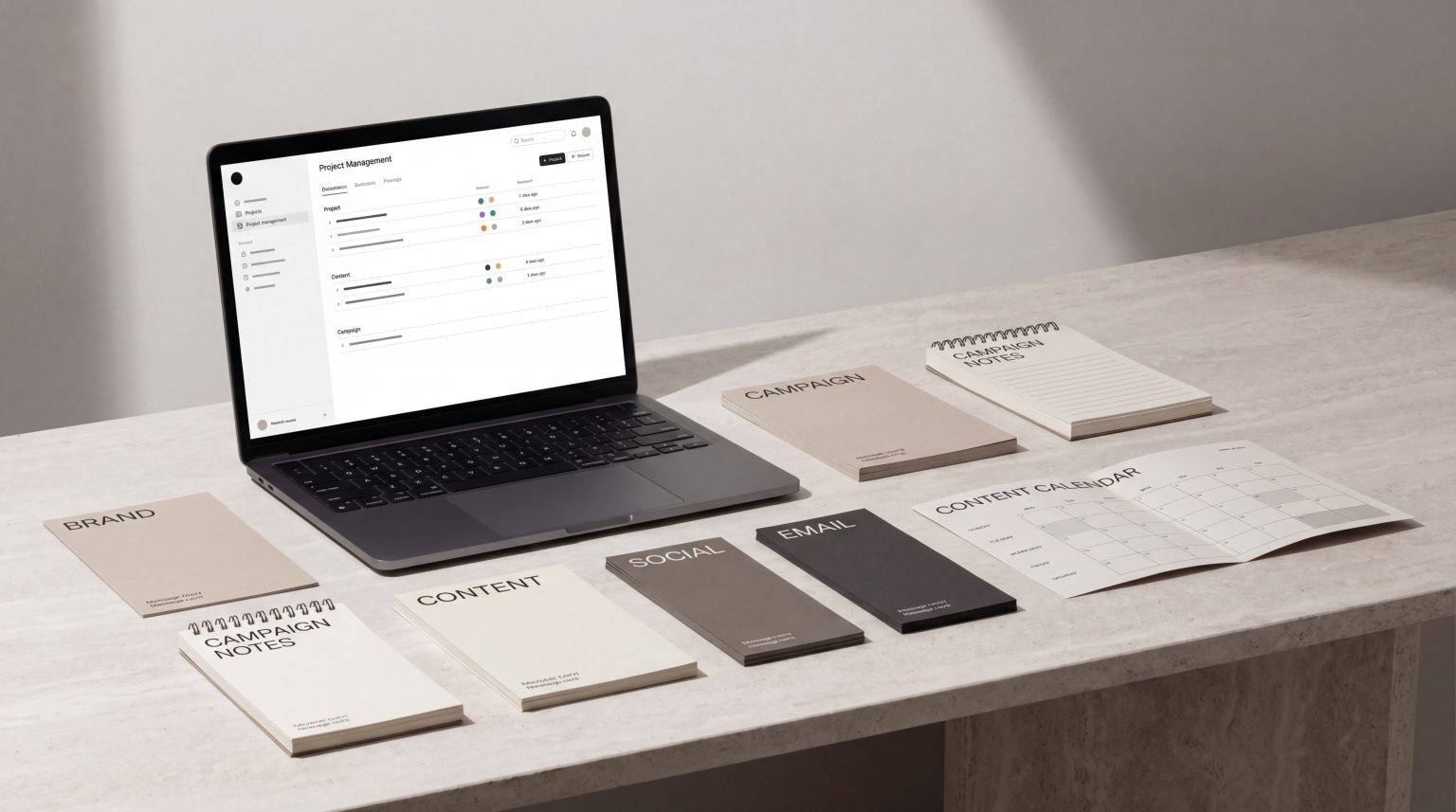
- templates for common materials
- rules for digital and print usage
The key point is that these elements should work together as one connected system. A brand identity system is stronger when each part supports the others rather than existing as separate design choices.
This is where many businesses go wrong. They may have a logo, a few colours and some old files, but not a proper system. That often leads to visual inconsistency, slow decision-making and weaker execution across channels.
Why Scalability Matters
A visual identity system should not only look good today. It should still work when the brand adds new products, enters new channels, involves more people or reaches new audiences.
Scalable branding means the identity can expand without losing clarity. It gives enough structure to keep things consistent, but enough flexibility to handle new formats and real-world needs.
This matters for several reasons.
First, brands rarely stay static. A business may begin with a website and a few social posts, then later need campaign assets, presentation decks, printed materials, product pages or a full content library. If the identity was designed only for one context, it often starts to break down.
Second, teams grow. More people begin creating materials, whether that is internal staff, external agencies, social teams or developers. A scalable system reduces guesswork and helps different contributors produce work that still feels like the same brand.
Third, consistency becomes a commercial asset. When a brand appears coherent across touchpoints, it feels more established and more trustworthy. That is one reason brand consistency matters so much as businesses grow.
In practical terms, a scalable visual identity system should make expansion easier, not harder.
The Key Components of a Strong Identity System
A strong visual identity system is built from a few core components that shape how the brand appears across different applications.
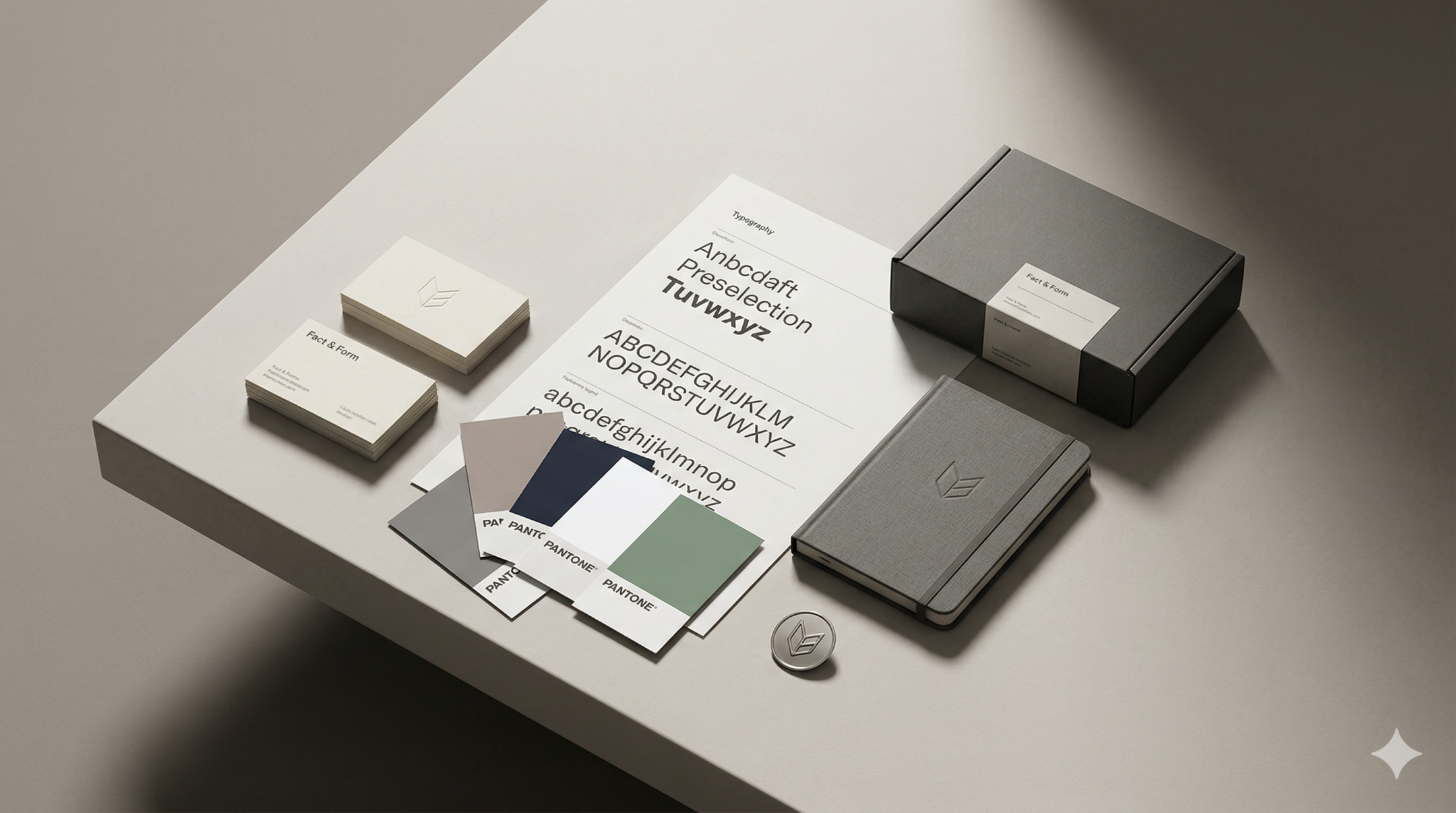
Typography
Typography plays a larger role than many businesses expect. It does not only affect readability. It shapes tone, perception and consistency.
A strong system defines:
- primary and secondary typefaces
- heading and body copy hierarchy
- spacing and alignment rules
- usage across digital and print formats
When typography is clearly defined, the brand becomes easier to recognise even beyond the logo. It also helps teams create materials more quickly because there is less uncertainty about what to use and when.
Poor typography systems often create visual noise. Different documents start using different fonts, weights or spacing conventions, and the brand begins to feel fragmented.
Colour
Colour is one of the most immediate parts of visual identity, but it needs control to be effective.
A scalable colour system should include:
- primary brand colours
- supporting or secondary colours
- usage ratios
- accessibility and contrast considerations
- colour references for digital and print outputs
Strong colour systems are not overly complicated, but they are intentional. They help create recognisable brand consistency while still allowing enough flexibility for different types of communication.
Without clear colour rules, brands often drift. Teams begin selecting colours based on preference or convenience, which weakens visual cohesion over time.
Layout Principles
Layout principles are what help a brand feel structured rather than random. They define how elements should be arranged, prioritised and balanced.
This can include guidance on:
- grid systems
- spacing
- alignment
- content hierarchy
- image-to-text balance
- template behaviour across formats
This part of the system is especially important for scalable branding because it helps the brand stay coherent even when different materials contain very different types of content.
For example, a social graphic, a landing page and a sales deck may all need different layouts, but they should still feel related. Layout principles help create that sense of consistency.
Graphic Assets
Graphic assets are the supporting design elements that extend the visual identity beyond the logo and colours.
These may include:
- icons
- patterns
- illustration style
- shapes or graphic devices
- image treatments
- motion rules for digital use
When developed well, graphic assets give the brand more flexibility and depth. They create a fuller visual language that can be applied across campaigns, content and interfaces without forcing everything to rely on the logo alone.
The key is relevance and control. Too many disconnected assets can make the system feel messy. A strong visual identity system uses graphic assets selectively and consistently.
What Inconsistent Identity Looks Like
Inconsistent identity usually does not appear all at once. It builds gradually.
A business starts with one version of the logo. Then another appears in a presentation. Social graphics use slightly different colours. The website uses one typeface, while sales documents use another. Marketing materials feel modern, but internal templates feel outdated. Over time, the brand loses coherence.
This inconsistency often shows up as:
- mismatched fonts and colours
- unclear logo usage
- varying layout styles
- inconsistent image treatment
- disconnected digital and print materials
- social content that does not feel tied to the main brand
The issue is not only aesthetic. Inconsistent identity can make a brand feel less reliable, less established and harder to recognise. It also creates practical problems. Teams spend more time making design decisions from scratch, reviewing work repeatedly or correcting avoidable mistakes.
In many cases, inconsistency is simply the result of having assets without a system.
How Identity Systems Support Teams and Channels
A visual identity system is not just for designers. It supports wider business execution.
For internal teams, it creates shared rules. Marketing, sales, content and leadership all have a clearer reference point for how the brand should appear. That makes collaboration easier and reduces subjective decision-making.
For external partners, it improves handover and consistency. Agencies, freelancers, developers and printers can work from a clearer framework rather than interpreting the brand differently each time.
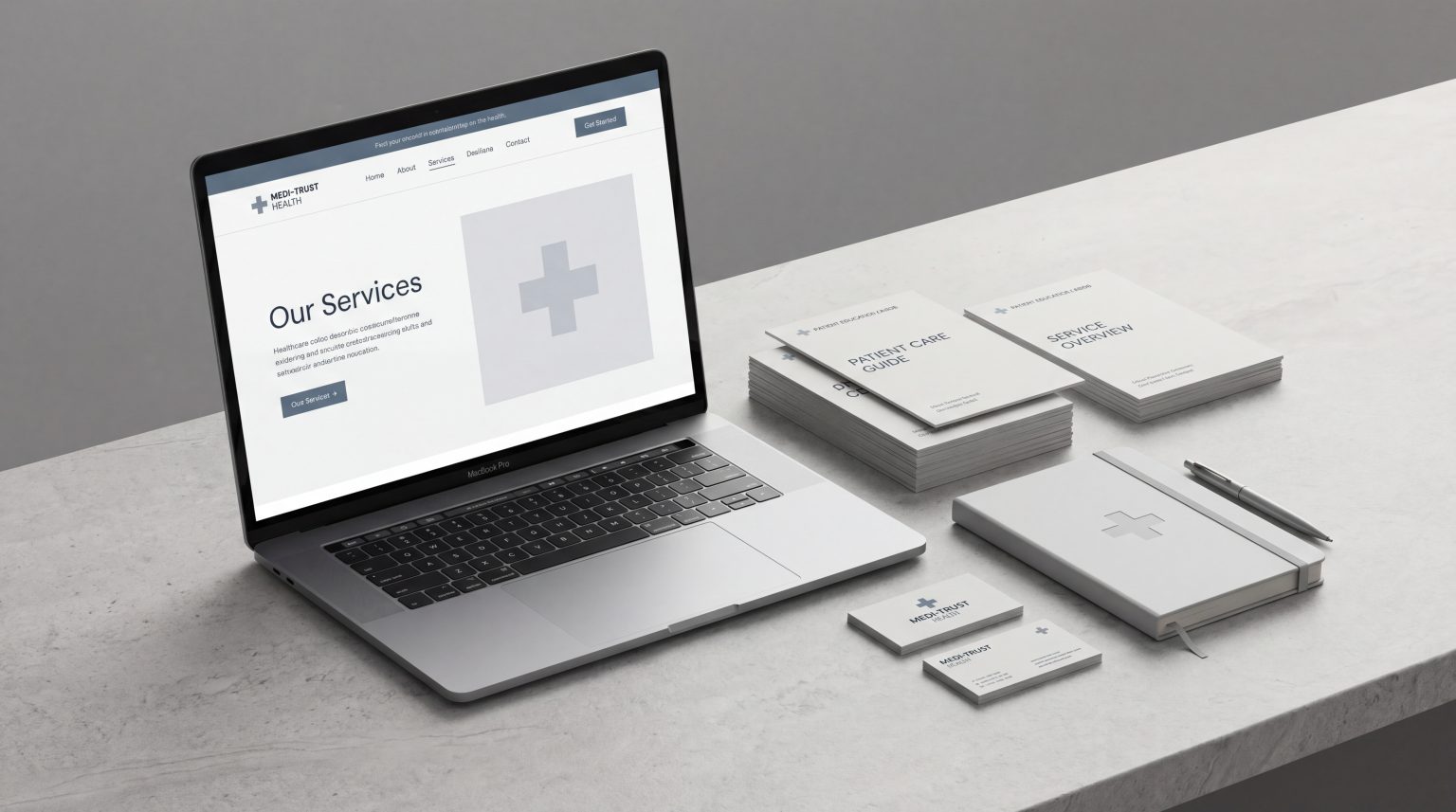
For channels, it improves adaptability. A strong brand identity system can support:
- websites and landing pages
- social media content
- email campaigns
- presentations
- branded documents
- packaging and print materials
- campaign creative
- internal templates and brand assets
This is one of the main reasons scalable branding matters. The system should help the brand move across touchpoints while remaining recognisable and well-structured.
A good system also supports future growth. New campaigns, new product lines and new formats can be developed within an established visual logic instead of requiring constant redesign from scratch.
FAQs
What is a visual identity system?
A visual identity system is the structured set of design rules and assets that define how a brand looks across different touchpoints. It usually includes logos, typography, colours, layout principles and supporting graphic assets.
How is a visual identity system different from a logo?
A logo is one part of the brand. A visual identity system is the wider framework that controls how the brand appears in practice. It gives the logo a consistent environment and helps all brand materials feel connected.
Why is brand consistency important?
Brand consistency helps businesses look more established, more trustworthy and easier to recognise. It also makes execution more efficient because teams are working from clearer design rules.
What makes a brand identity system scalable?
A scalable system works across multiple channels, formats and teams without losing clarity. It is flexible enough to grow with the business while still maintaining strong visual consistency.
When does a business need a visual identity system?
A business usually needs a proper system when branding starts being used across multiple channels or by multiple people. If the brand is growing, launching new materials or struggling with inconsistency, a stronger system becomes increasingly valuable.
Final Thoughts
A strong visual identity system is not just about style. It is about structure, consistency and usability.
When built well, it helps brands look clearer, work more efficiently and grow without becoming visually fragmented. It turns visual identity into an operational tool rather than a collection of disconnected assets.
That is what makes it strong, and that is what makes it scalable.
If your brand is appearing across more channels, more teams or more formats, it may be time to build a visual identity system that works properly across every touchpoint.