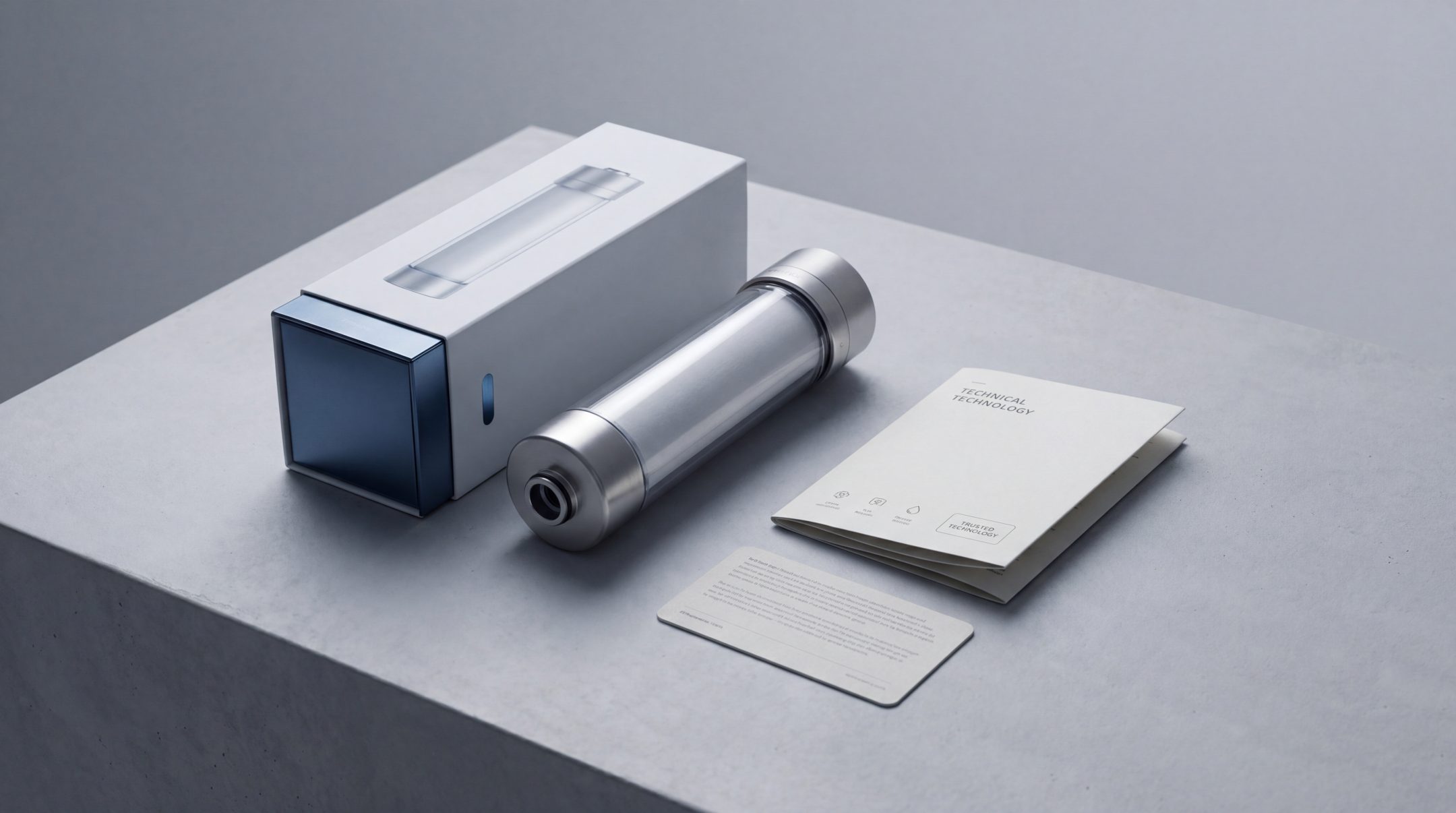
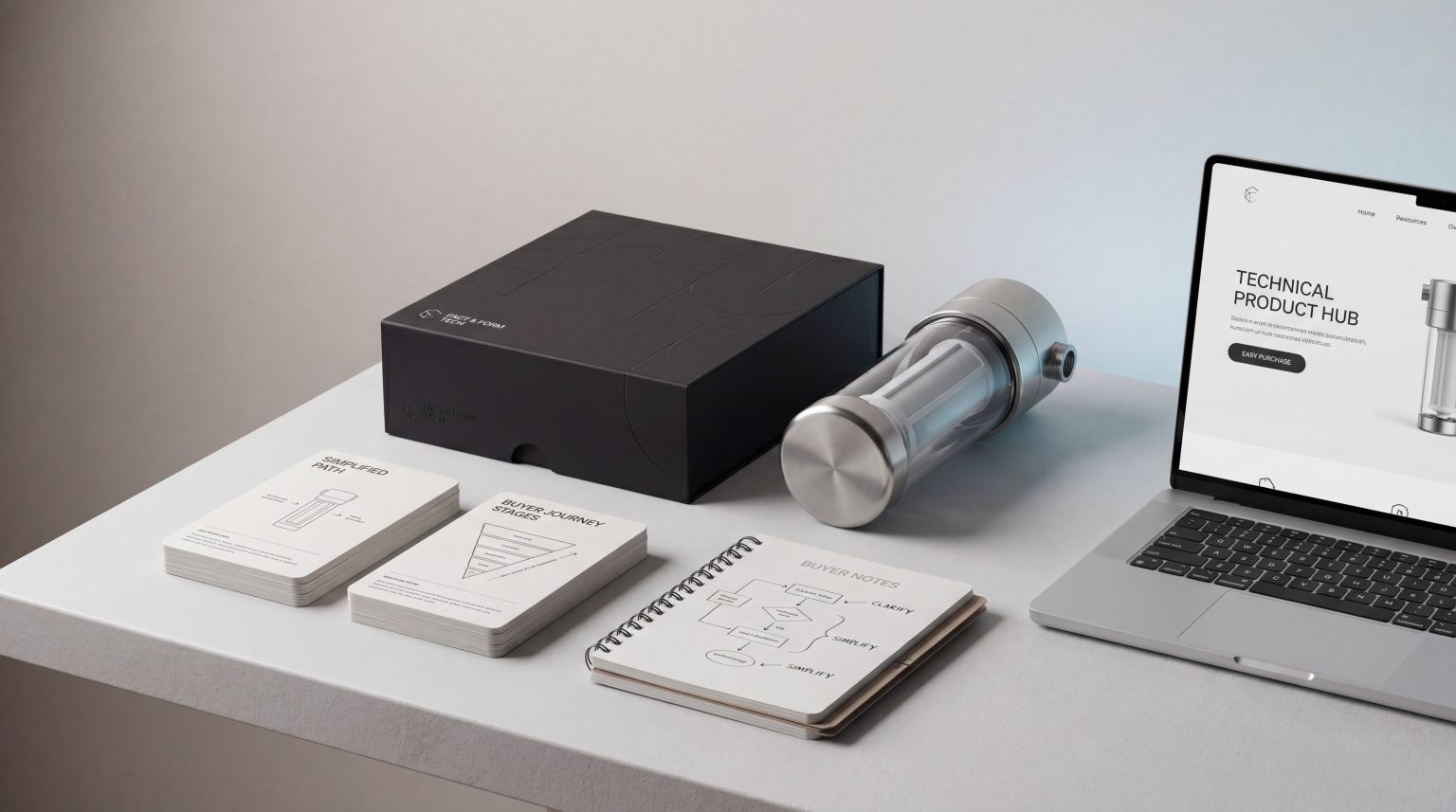
Brand trust in water filtration is built through clarity, proof and consistency. Buyers are often comparing technical products they do not fully understand, so the brand has to reduce doubt, explain value clearly and make reliability feel easy to recognise.
Why Brand Trust Matters in Water Filtration
Water filtration is not a low-consideration category. Whether the buyer is choosing a domestic filter, a commercial system or a specialist treatment solution, the decision usually involves concerns around safety, performance, maintenance and long-term reliability.
That makes trust one of the most important parts of the brand. A water filtration product may have strong technical credentials, but if those credentials are difficult to understand, poorly presented or inconsistently explained, the buyer can still hesitate.
Trust helps buyers answer important questions quickly:
Can I understand what this product does?
Can I believe the claims being made?
Does the brand look reliable enough for a technical purchase?
Is the product suitable for my needs?
Will the company support me after purchase?
For water filtration brands, trust is not only created by technical performance. It is created by how clearly that performance is communicated across branding, packaging, website content, product materials and customer touchpoints.
This is why credible water filtration branding matters. The brand identity has to make the product feel both technically capable and easy to understand.
What Makes Trust Harder for Technical Products
Technical products often ask buyers to evaluate information they may not fully understand. In water filtration, this can include filter media, flow rates, certifications, contaminant reduction claims, installation requirements, maintenance cycles and replacement schedules.
The challenge is not only the amount of information. It is the gap between what the brand knows and what the buyer can confidently interpret.
A technically strong brand can still lose trust if it presents information in a way that feels confusing, vague or overloaded. Too much jargon can make the product feel inaccessible. Too little detail can make it feel unsupported. A generic visual identity can make the product feel less specialist than it really is.
Water filtration trust depends on balance. The brand needs to simplify without oversimplifying. It needs to sound credible without becoming cold. It needs to show proof without overwhelming the buyer.
Strong technical brand trust is built when the buyer feels informed rather than pressured.
The Core Requirements of Trust-Based Water Filtration Branding
Trust-based water filtration branding should connect technical accuracy with clear communication. The goal is not to make the product look more sophisticated than it is. The goal is to make its value easier to recognise, compare and believe.
Clear Technical Communication
Clear technical communication is one of the strongest trust signals in water filtration. Buyers need to understand what the product does, what problem it solves and what makes it suitable for their context.
This means technical claims should be structured carefully. Instead of presenting every feature with equal weight, strong communication creates a clear hierarchy:
What the product is
Who it is for
What it reduces or improves
What evidence supports the claim
How it is installed, used or maintained
What the buyer should expect after purchase
Clarity does not mean removing technical substance. It means organising technical information so that buyers can move from basic understanding to deeper evaluation at the right pace.
External references can also support this clarity. For example, brands that refer to recognised water treatment standards can help buyers understand that filtration claims should be linked to specific, verifiable performance criteria rather than broad promises.
Reliable Product Presentation
A trustworthy product needs to look reliable before the buyer reads every technical detail. This is where product presentation, packaging and visual structure become important.
In water filtration, presentation should feel clean, controlled and precise. It should avoid visual clutter, exaggerated claims and generic “fresh water” clichés that do little to explain the actual product.
Packaging has an especially important role because it often needs to carry technical information in a compact space. Strong technical packaging communication helps buyers compare products, understand specifications and feel confident that the brand has considered their decision-making process.
Reliable presentation is not about looking minimal for the sake of it. It is about making every visual and written element feel intentional.
Proof and Credibility Signals
Trust in technical products depends heavily on proof. Water filtration buyers are often looking for confirmation that product claims are backed by something more substantial than marketing language.
Credibility signals can include:
Certifications
Testing references
Technical datasheets
Clear product specifications
Installation documentation
Maintenance instructions
Warranty information
Transparent replacement filter guidance
Professional support information
The key is to present proof in a way that is visible and understandable. A certification mark buried in a dense technical document may matter, but it will not help confidence if the buyer never sees or understands it.
Brands should also be careful with claims. Water filtration is a category where vague performance language can quickly create doubt. Clear wording, accurate qualification and practical explanation help the buyer understand what a product is designed to do.
Educational resources such as official home filtration guidance can also help brands think more carefully about the kinds of questions customers may have before choosing a filtration system.
Consistent Visual Language
Consistency is a major trust factor. If the packaging feels technical, the website feels generic and the sales material feels disconnected, the buyer may question the reliability of the brand as a whole.
A consistent visual language helps every touchpoint feel like part of the same system. This includes typography, colour, layout, iconography, product imagery, diagrams and information hierarchy.
In water filtration, consistency should support clarity. Icons should mean the same thing across materials. Technical terms should be used consistently. Product ranges should be easy to navigate. Comparison points should be visually structured in a repeatable way.
This matters especially when the buyer moves from packaging to website to product documentation. A well-structured website can turn technical detail into clear buying journeys that help users compare options without feeling lost.
Common Trust Mistakes in Water Filtration Branding
Many trust issues in water filtration branding come from communication gaps rather than product weaknesses. The product may be effective, but the brand may not be giving buyers enough clarity to believe it.
One common mistake is leading with technical density instead of buyer relevance. A page full of specifications may be useful later in the journey, but it rarely works as the first layer of communication. Buyers first need to understand the problem, the product role and the practical benefit.
Another mistake is using vague trust language. Words such as “advanced”, “pure”, “premium” or “innovative” can become weak if they are not supported by specific explanations. In technical categories, trust grows when claims are precise.
Visual inconsistency is also a frequent problem. A brand may use one style on packaging, another on the website and a different tone in datasheets. This makes the business feel less mature and less controlled, even if the product itself is strong.
Other common mistakes include:
Overloading packaging with technical copy
Hiding proof too deep in the website
Using diagrams that are too complex for non-specialist buyers
Failing to explain replacement filters or maintenance clearly
Making product comparisons difficult
Treating branding as surface design rather than a trust-building system
The result is usually the same. Buyers have to work too hard to understand the product, so confidence drops.
What Stronger Trust-Based Execution Looks Like
Stronger trust-based execution makes technical value easier to understand at every stage of the buyer journey.
At brand level, this means a clear positioning system. The buyer should quickly understand what the brand stands for, what kind of filtration problems it solves and why its approach is credible.
At packaging level, this means structured product information. The front of pack should communicate the most important value clearly, while side panels or supporting materials can explain technical detail in a more layered way.
At website level, this means guiding users through the decision. Product pages should not simply list features. They should help buyers understand fit, performance, proof, installation, maintenance and next steps.
At content level, this means explaining rather than assuming. Technical brands often underestimate how much interpretation the buyer needs. Clear educational content can reduce doubt and position the brand as a helpful expert.
At visual level, this means building a system that feels precise, consistent and appropriate for the category. Good design should not distract from the technical message. It should make that message easier to process.
For water filtration brands, the strongest trust-building work happens when brand identity, product communication, packaging and digital experience are treated as one connected system.
FAQs
Why is brand trust especially important in water filtration?
Brand trust is important because buyers are making decisions related to water quality, safety, performance and reliability. They need to feel confident that the product claims are clear, credible and supported by understandable information.
How can water filtration brands build trust faster?
Brands can build trust faster by explaining technical value clearly, using visible proof points, presenting products consistently and making it easy for buyers to compare options. Trust grows when buyers feel informed, not overwhelmed.
What makes technical brand trust different from general brand trust?
Technical brand trust depends more heavily on clarity, evidence and reliability. Visual identity still matters, but it has to work alongside accurate product communication, specifications, proof points and practical buying guidance.
Should water filtration branding be highly technical or simple?
It should be both clear and technically credible. The first layer of communication should be simple enough to understand quickly, while deeper layers should provide the technical detail needed for confident evaluation.
What role does design play in water filtration trust?
Design helps structure information, signal professionalism and make technical products easier to understand. Strong design does not replace proof, but it makes proof easier to find, read and believe.
Final Thoughts
Brand trust in water filtration is built through a careful mix of technical clarity, credible proof, consistent presentation and buyer-focused communication. The stronger the communication system, the easier it becomes for buyers to understand the product and feel confident in the brand behind it.
For technical water filtration brands, the opportunity is not to simplify everything until it loses substance. It is to make complexity easier to navigate. Fact & Form helps technical brands build clearer identities, stronger product communication and more trustworthy brand experiences across packaging, web and wider customer touchpoints.