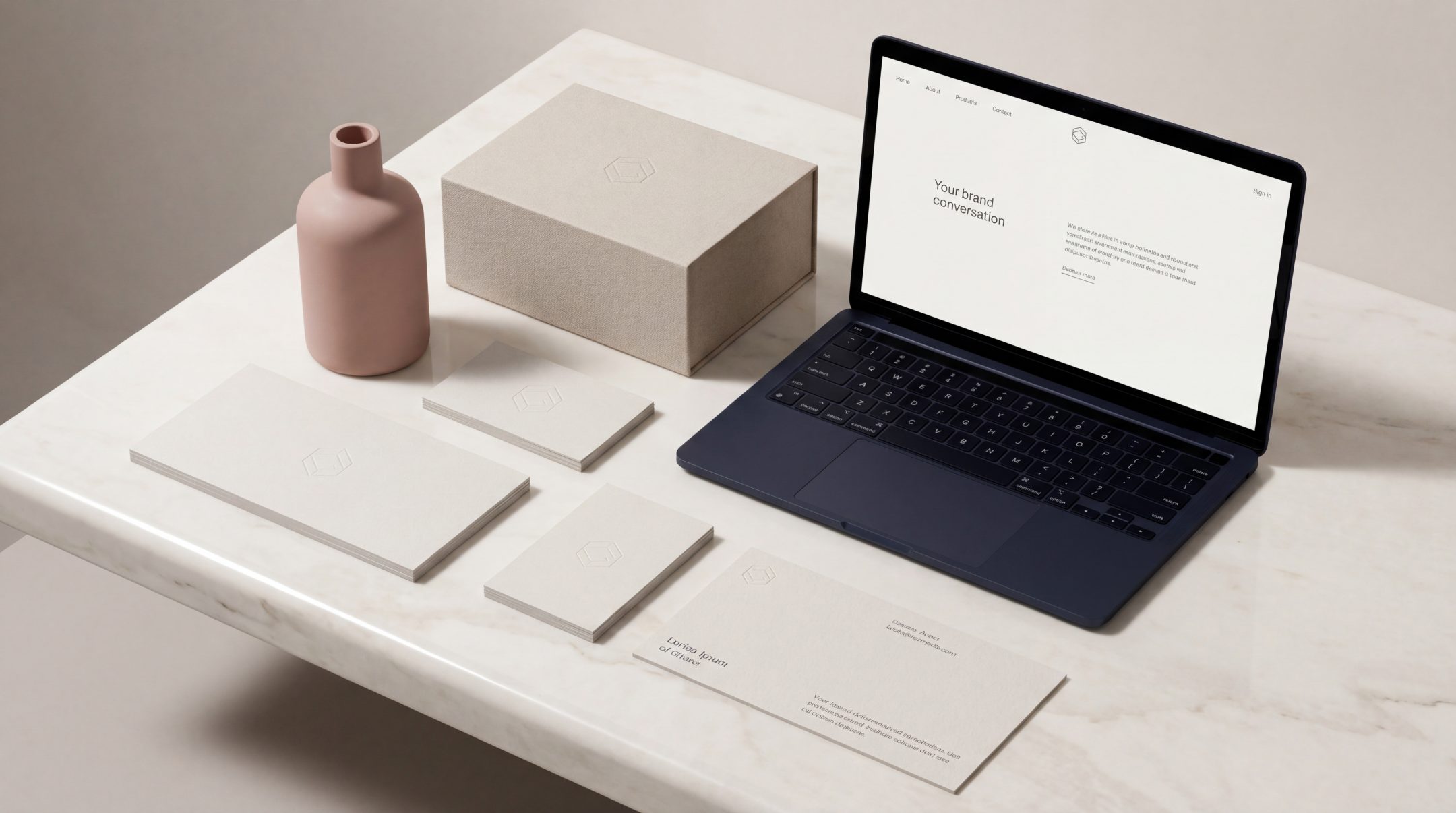
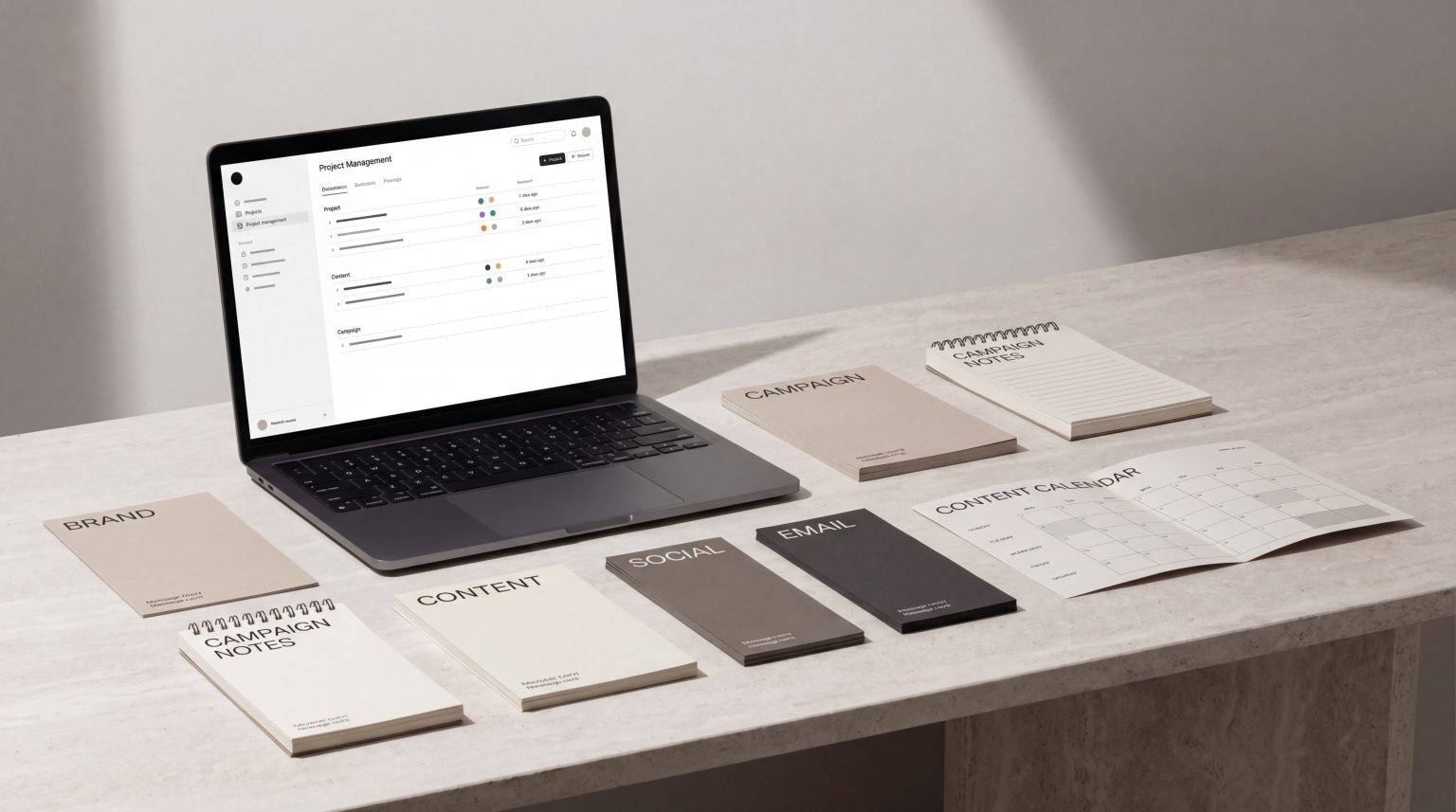
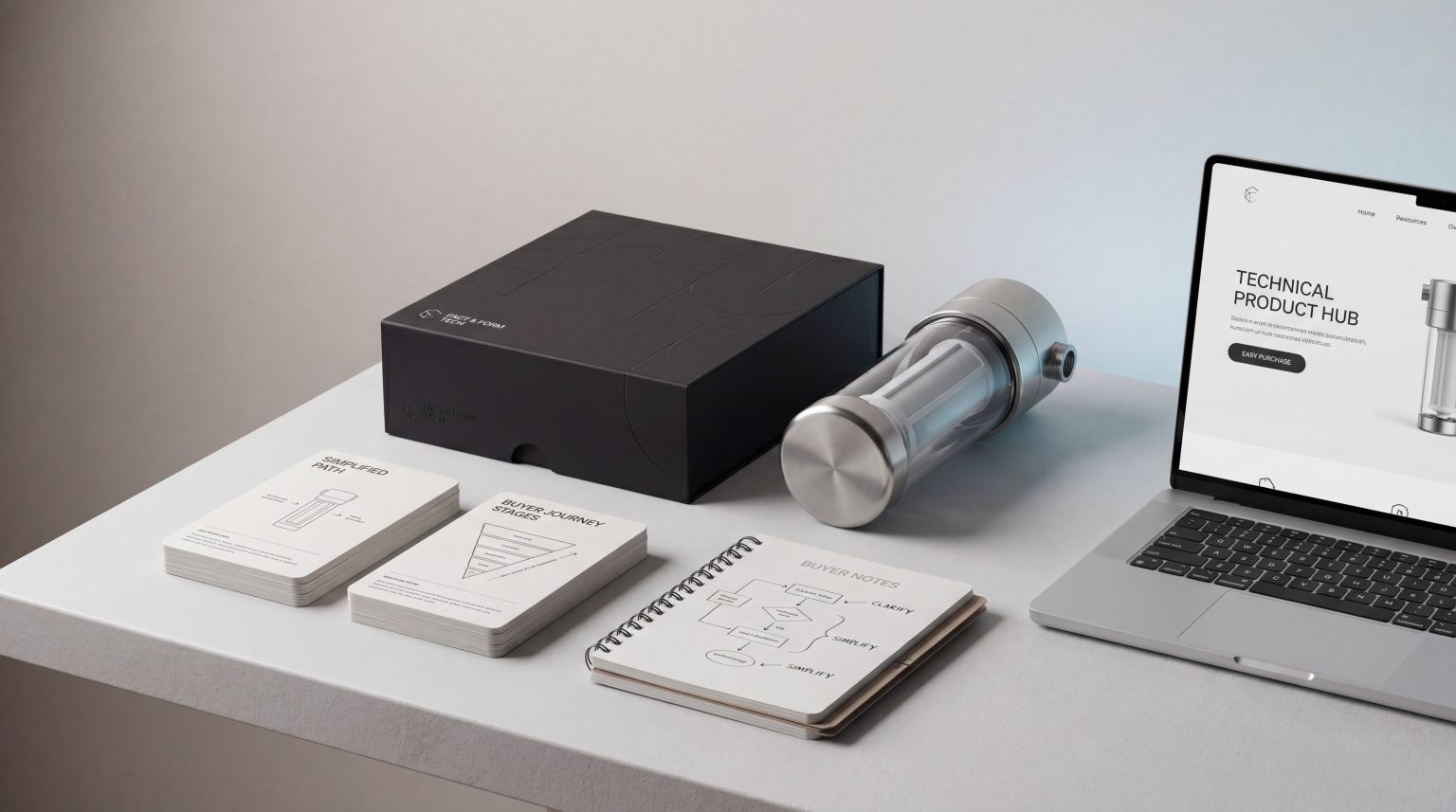
Premium brand perception is not created by making something look expensive. It is built through a connected system of visual identity, language, packaging, digital experience and customer touchpoints that make a brand feel more considered, more credible and more valuable.
What Premium Brand Perception Actually Means
Premium brand perception is the way customers interpret a brand’s value before, during and after they interact with it. It is not only about price. It is about whether the brand feels intentional, desirable, trustworthy and worth choosing over alternatives.
A premium brand can exist in many categories, from cosmetics and wellness to food, technology and professional services. What matters is the gap between functional value and perceived value. A product may perform well, but if its identity, messaging, packaging or experience feel inconsistent, customers may not read it as premium.
This is especially important in cosmetics, where buyers often judge quality through a mix of visual cues, claims, texture, naming, packaging materials, product information and digital presentation. Strong cosmetics branding helps these signals work together rather than compete for attention.
Premium perception is also relative. A brand does not need to look like a luxury fashion house to feel premium. It needs to feel elevated within its own context, price point and audience expectation.
Why Premium Perception Is Not Only About Visual Style
A common mistake is treating premium branding as a surface style. Minimal typography, muted colours, spacious layouts and elegant photography can all help, but they are not enough on their own.
Customers read value through the full experience. They notice how clearly the product is explained, how confident the copy feels, how well the packaging handles information, how smooth the website journey is and whether every touchpoint feels like it belongs to the same brand.
Premium perception is weakened when the visual style says one thing but the experience says another. A refined pack with unclear product claims creates friction. A polished website with confusing navigation creates doubt. A sophisticated identity with generic copy feels unfinished.
This is why premium branding is less about decoration and more about consistency of judgment. Every design and communication decision should make the brand easier to understand, easier to trust and easier to value.
External research into perceived value reinforces the idea that customers evaluate brands through multiple forms of value, including functional, emotional and social benefits. For premium brands, those layers need to be built deliberately rather than left to chance.
The Key Elements That Shape Premium Brand Perception
Premium perception is shaped by a set of connected elements. None of them works in isolation. The strongest brands create a coherent system where identity, copy, packaging and experience all support the same value signal.
Visual Identity
Visual identity is often the first signal of premium brand perception. It includes the logo, typography, colour palette, layout system, photography direction, graphic language and the way these elements are applied across channels.
A premium visual identity usually feels controlled. It does not need to be plain, but it should feel intentional. There is a clear hierarchy. There is enough space for important details to breathe. Typography is chosen for both character and usability. Colour is used with purpose rather than decoration.
For cosmetics brands, visual identity has to balance desirability and clarity. A serum, cream or cleanser may need to feel sensorial and elevated, but it also has to communicate product type, usage, benefit and range logic quickly. If the identity is beautiful but hard to navigate, premium perception starts to weaken.
Good identity systems also support consistency. When packaging, social content, product pages and campaign assets all feel related, the brand becomes easier to recognise and trust.
Copy and Tone of Voice
Copy has a major influence on premium perception because it shapes how confident, expert and distinctive a brand feels.
Premium copy is usually clear, specific and controlled. It avoids over-explaining, but it does not hide behind vague language. It does not rely on empty phrases such as “high quality”, “luxurious” or “premium formula” without explaining what makes the offer valuable.
A strong tone of voice should help customers understand the brand’s point of view. For a cosmetic brand, that might mean clinical precision, sensorial warmth, quiet confidence or expert simplicity. The important point is consistency. If the packaging feels refined but the website copy feels generic, the brand experience becomes fragmented.
Premium copy should also reduce uncertainty. Product benefits, ingredients, usage directions and claims need to be easy to understand. Customers are more likely to perceive value when they can see what the product does, why it matters and how it fits their needs.
Packaging and Product Presentation
Packaging is one of the strongest carriers of premium brand perception, especially for physical products. It gives customers a tangible sense of quality before they use the product.
Premium packaging is not only about materials. It is about proportion, structure, finish, hierarchy, clarity and how the product feels in hand. A simple tube, jar, bottle or carton can feel premium if the design system is well judged and the communication is controlled.
The challenge is to balance aesthetic restraint with useful information. Beauty and cosmetics packaging often has to carry product name, product type, skin concern, active ingredients, usage instructions, claims, legal information and range navigation. If everything competes visually, the product can feel less premium even when the design language is attractive.
Better premium packaging execution helps create a stronger connection between shelf appeal, product clarity and brand fit. The goal is not to make packaging quieter for the sake of it. The goal is to make the right information feel clear, confident and considered.
Website and Customer Experience
A brand may look premium on packaging but lose that perception online. Website experience plays a critical role because it is where customers often evaluate credibility, compare products and decide whether to buy.
A premium website experience should feel calm, structured and easy to move through. Visual storytelling matters, but it should not block understanding. Product pages need clear naming, benefit hierarchy, imagery, usage guidance, ingredients or specifications where relevant, and a simple route to action.
In premium cosmetics, digital experience is often where the brand has to prove that the product is not only desirable, but also understandable. A customer should not have to work hard to understand which product is right for them.
Good clear product page UX supports premium perception by reducing hesitation. When product information is easy to scan and the buying journey feels smooth, the brand feels more professional and more trustworthy.
Customer experience also extends beyond the website. Email flows, packaging inserts, post-purchase communication, delivery experience and customer support all contribute to whether the brand continues to feel premium after purchase.
Common Premium Branding Mistakes
The most common premium branding mistake is confusing premium with minimal. Minimal design can feel premium, but only when it supports clarity and distinction. If everything becomes too plain, the brand can lose character.
Another mistake is using luxury cues without a strategic reason. Thin typography, beige palettes, abstract photography and sparse layouts may look refined, but they can also make brands feel interchangeable. Premium perception depends on recognisable value, not just familiar category codes.
Many brands also underinvest in copy. They polish the visual identity but leave product language, claims, descriptions and microcopy underdeveloped. This creates a gap between how the brand looks and how it communicates.
Packaging overcrowding is another frequent issue. Brands often try to say everything on the front of pack, which can make the product feel less confident. Premium packaging usually requires sharper prioritisation, not more information.
Finally, some brands forget that premium experience has to continue after the first impression. A strong launch identity is not enough if the website, emails, social content and customer journey do not maintain the same level of care.
How Better Execution Builds Perceived Value
Better execution builds perceived value by making every touchpoint feel more intentional. Customers may not consciously analyse the typography, copy hierarchy, product photography or checkout flow, but they do feel the result.
When execution is strong, the brand feels easier to trust. The product feels more considered. The price feels more justified. The customer has fewer reasons to hesitate.
This is also where brand experience becomes commercially important. Research into brand experience and willingness to pay a premium shows how experience can influence perceived uniqueness, credibility and premium pricing response. For brands, the practical lesson is clear: premium value is shaped by the total experience, not by identity design alone.
Better execution usually means:
- clearer positioning
- more disciplined visual identity
- stronger tone of voice
- better product communication
- packaging that balances clarity and desirability
- website journeys that reduce friction
- consistent customer touchpoints after purchase
For cosmetics and other consumer brands, the strongest premium perception often comes from restraint and precision. The brand knows what to say, what to show, what to leave out and how to guide the customer without overloading them.
FAQs
What is premium brand perception?
Premium brand perception is the way customers interpret a brand as more valuable, desirable or trustworthy based on its identity, language, presentation and experience. It is shaped by both emotional and practical signals.
Is premium branding the same as luxury branding?
No. Luxury branding is usually tied to exclusivity, heritage, scarcity or high-status positioning. Premium branding is broader. A brand can feel premium without being luxury if it communicates quality, clarity and value in a more elevated way than its competitors.
Can a mid-priced brand build premium perception?
Yes. Premium perception is not only about charging the highest price. A mid-priced brand can feel premium if its design, copy, packaging, product information and customer experience are executed with consistency and care.
What weakens premium brand perception?
Premium perception is weakened by inconsistent identity, vague copy, overcrowded packaging, unclear product information, poor website UX and customer touchpoints that feel less considered than the brand promise.
Why is premium perception important for cosmetics brands?
Cosmetics buyers often evaluate products through visual, emotional and functional cues before purchase. Premium perception helps a brand communicate quality, desirability and trust across packaging, product pages and customer experience.
Final Thoughts
Premium brand perception is built through a system, not a single design decision. Visual identity may create the first impression, but copy, packaging, product presentation, website UX and customer experience decide whether that impression holds.
For brands that want to feel more premium, the work starts with clarity. What should customers understand? What should they feel? What signals are currently helping or weakening perceived value?
Fact & Form helps brands shape premium perception through more coherent design, clearer copy and better connected customer experiences. If your brand feels close to premium but not yet fully aligned, a sharper system can make the value easier to see, understand and trust.