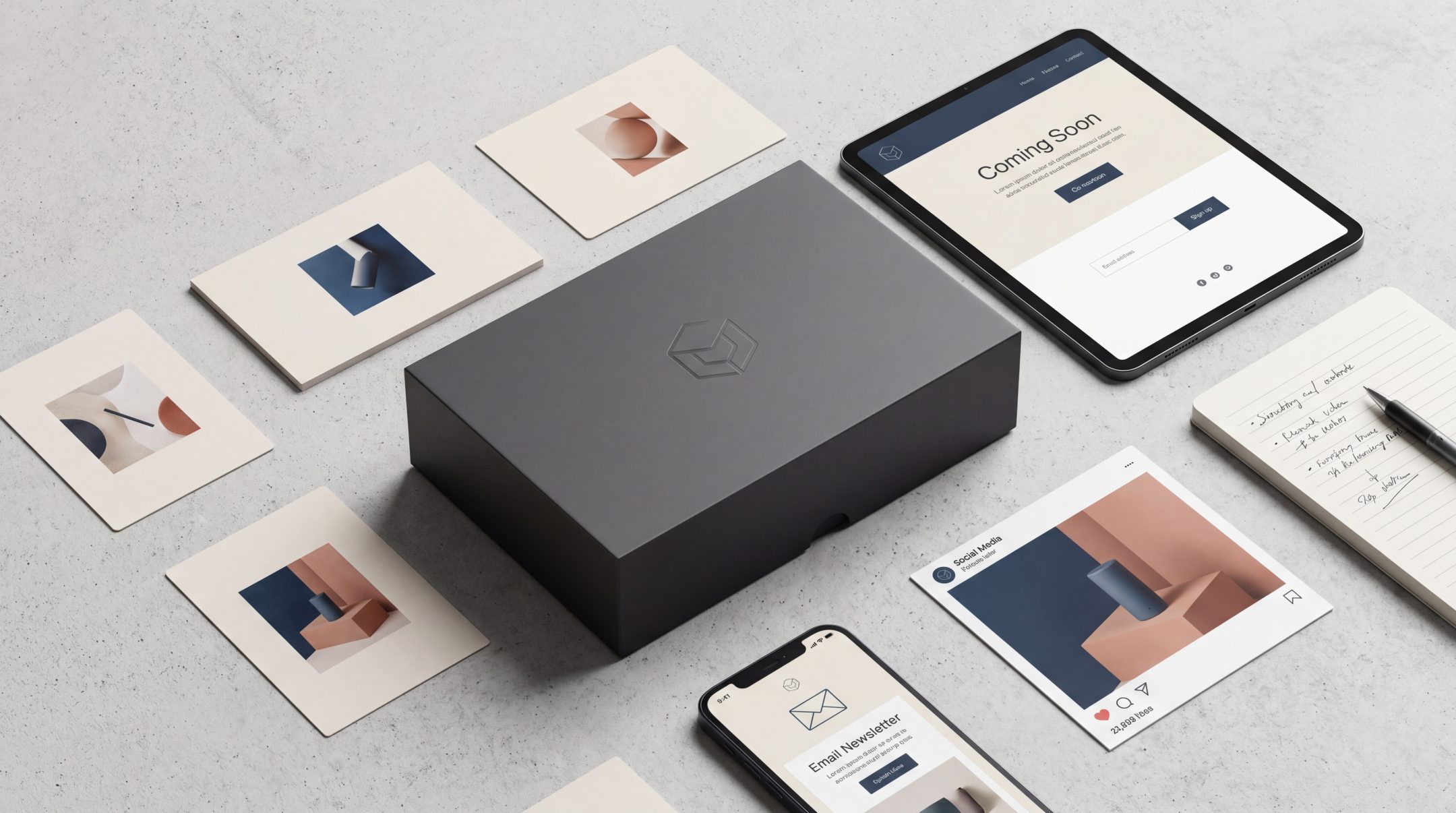
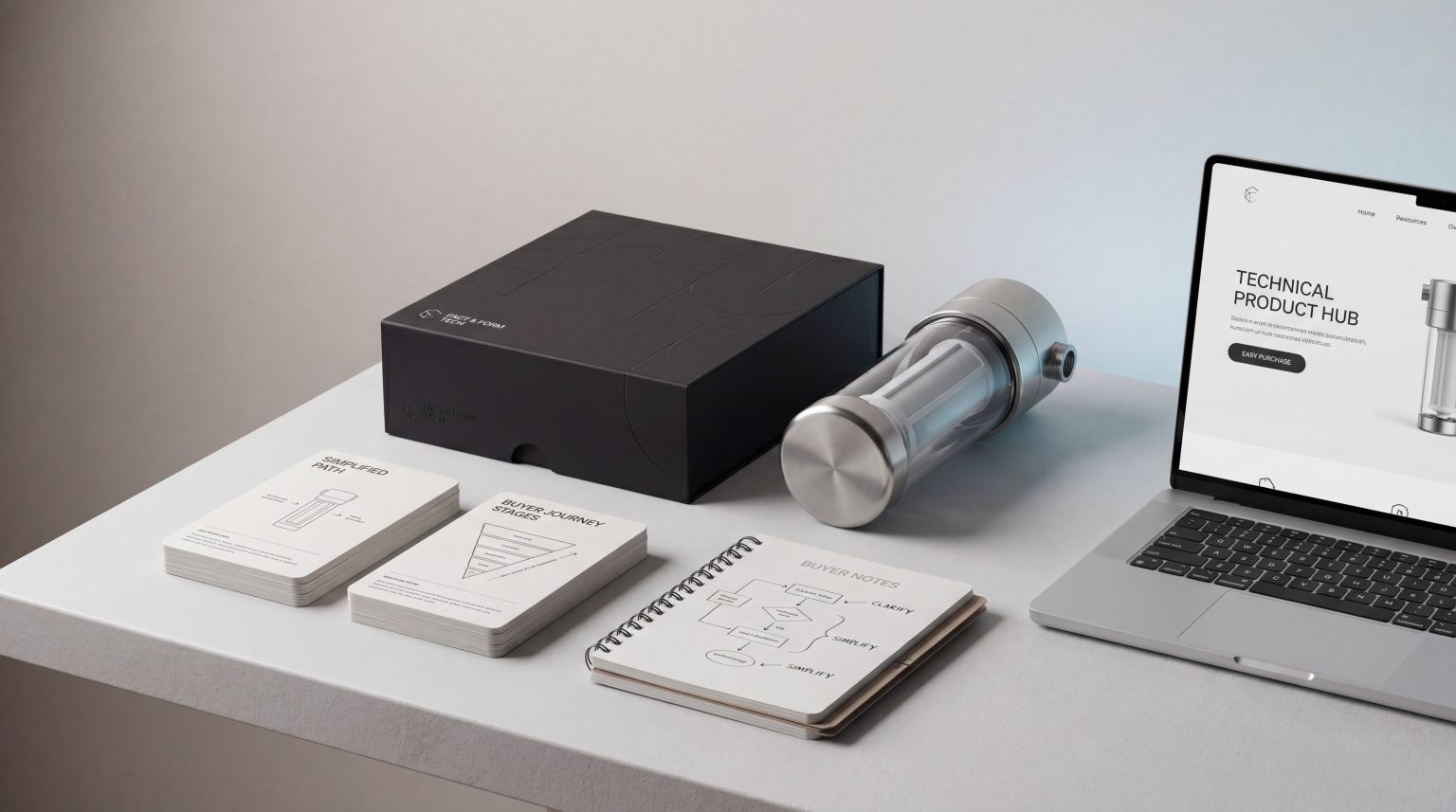
A strong product launch is rarely the result of one good ad, one strong visual or one well-written email. It usually works because several connected parts support the same message at the same time. The product story, creative assets, landing page, email sequence, social content and paid media all need to feel aligned, clear and ready before the launch starts moving at speed.
Why a Strong Product Launch Needs a Framework
A product launch can look simple from the outside. A brand announces a new product, shows it across social media, sends emails, drives traffic and starts measuring results. In practice, each of those actions depends on decisions that should happen earlier.
Without a framework, launch activity often becomes fragmented. The paid media team may work from one message, the landing page may explain the product differently, email may focus on another benefit and social content may rely mostly on visuals. The result is not always obvious immediately, but it usually shows up as weak conversion, unclear customer understanding or inconsistent campaign performance.
A strong product launch needs structure because launches move quickly. Once the campaign is live, there is less time to fix unclear messaging, missing assets or a landing page that does not support the promise made in the ad. A useful framework gives the team a shared direction before budget, creative production and campaign timing start to build pressure.
This is also why product launch planning should not be treated as a final promotional step. It is part of the wider go-to-market strategy, where the product, audience, message, channels and measurement approach need to work together.
Step 1: Clarify the Product Message
Before producing launch assets, the team needs to define what the product is really saying. This sounds obvious, but many launches become complicated because the message is not clear enough at the start.
The product message should answer a few simple questions:
What is being launched?
Who is it for?
What problem, need or desire does it address?
Why should someone care now?
What makes it different from similar options?
For FMCG and cosmetics brands, this clarity is especially important because buyers often make quick decisions. A consumer may not study every feature in detail. They may notice a claim, a benefit, a pack design, a product format or a sensory cue. If the message is too broad, too technical or too similar to competitors, the product can struggle to earn attention.
Positioning before promotion
A launch message should not be built only from product features. It should translate those features into a clear reason to choose the product.
For example, a cosmetics launch may not need to lead with every ingredient. It may need to clarify the product promise, the skin concern, the texture, the routine fit or the premium cue that makes the product feel desirable. An FMCG launch may need to clarify usage occasion, flavour, convenience, format or functional value.
The better the positioning, the easier it becomes to create launch assets that feel consistent across every channel.
One core idea, adapted by channel
A strong product launch does not mean repeating the same sentence everywhere. It means building every touchpoint from the same core idea.
Paid social may need a sharper hook. Email may allow more explanation. The landing page may need proof, detail and conversion prompts. Packaging or product visuals may need to communicate value quickly. The channel changes the expression, but the product story should remain connected.
Step 2: Prepare the Core Launch Assets
Once the message is clear, the next step is preparing the launch assets. This is where many launches become rushed. Teams often start producing social posts, ads, email designs and landing pages before confirming what each asset needs to do.
A practical launch asset checklist helps avoid gaps. It gives the team a clear view of what must be ready before launch activity begins, rather than discovering missing assets once the campaign is already live.
Essential launch assets
Most product launches need a combination of strategic, creative and conversion-focused assets. These may include:
Product positioning notes
Key product messages and claims
Hero visuals or product photography
Short-form video or motion assets
Paid social creative variations
Organic social launch posts
Email announcement and follow-up emails
Landing page copy and design
Product page content, where relevant
FAQ or objection-handling content
Retail, sales or trade materials, where needed
Not every launch requires the same level of production. A major product line extension may need a full campaign ecosystem, while a smaller SKU launch may need a lighter version. The point is not to create more assets than necessary. The point is to make sure the assets that matter are complete, aligned and useful.
Creative assets need a job
Launch assets should not exist only to make the campaign look busy. Each asset should have a role.
Some assets introduce the product. Some explain the benefit. Some show usage. Some answer objections. Some create urgency. Some support retargeting. Some help sales or retail teams explain the product more clearly.
When assets are created without a defined job, the campaign can become visually active but strategically weak. Strong launch assets help move the audience from awareness to understanding, and from understanding to action.
Step 3: Connect Social, Paid Media and Email
Social, paid media and email often sit close together during a product launch, but they do not always work together as well as they should.
Organic social may build visibility and context. Paid media can scale the most important messages to defined audiences. Email can speak to people who already know the brand and may be more ready to act. When these channels are planned separately, the customer journey can feel uneven.
A better approach is to map the role of each channel before launch.
Organic social builds context
Organic social is useful for giving the launch a visible rhythm. It can show product details, behind-the-scenes content, education, usage occasions, founder or brand perspective, retail availability and customer questions.
For cosmetics, this might include texture videos, routine placement, shade information or ingredient education. For FMCG, it might include usage moments, pack formats, flavour cues, lifestyle relevance or retail visibility.
Organic social does not need to carry the full launch alone. Its role is often to create familiarity and support the wider campaign.
Paid media scales the message
Paid media should not simply boost whatever creative is available. It needs a clear structure. That means aligning creative, targeting, messaging and landing page destination before spend increases.
A strong paid social campaign flow connects the first impression with the next step. The ad promise should match the page experience. The creative should reflect the product message. The audience should match the launch objective. The campaign should include enough variation to learn what is working without fragmenting the message too much.
Email supports warmer audiences
Email can be one of the most useful launch channels because it reaches people who already have some relationship with the brand. These audiences may need less basic awareness and more reason to act.
Launch email can announce the product, explain the benefit, tell the product story, answer common questions, introduce bundles or guide users to the right product variant. The key is to avoid treating email as a single announcement. For many launches, a short sequence works better than one isolated send.
Step 4: Build a Landing Page That Continues the Story
The landing page is where the launch message either becomes clearer or starts to fall apart.
A user may arrive from a paid social ad, an email, an influencer post, a search result or a QR code. The page needs to continue the story they were promised. If the ad focuses on one benefit and the page opens with a different message, the experience feels disconnected.
A good campaign landing page should not only look polished. It should make the product easier to understand and easier to act on.
What the landing page needs to do
For a product launch, the landing page usually needs to:
Confirm the product promise quickly
Show the product clearly
Explain the main benefits
Support claims with credible detail
Help users understand fit, usage or variants
Answer practical questions
Reduce friction around the next action
Create a clear path to purchase, enquiry or sign-up
This is especially important when the product is new. Existing products can sometimes rely on familiarity. New products need more explanation. The page should help the audience understand why the product exists and why it is relevant to them.
Design and copy need to work together
A launch landing page should not separate design from copy. The visual hierarchy, product imagery, section order and call-to-action placement all shape how the product is understood.
If the copy explains a premium benefit but the visuals feel generic, the message weakens. If the design looks premium but the copy does not explain the product clearly, the page may attract attention without converting it. Strong landing pages use design and copy together to build confidence.
Step 5: Review Early Signals and Adjust Fast
A launch plan should be structured, but it should not be rigid. Once the campaign is live, early signals can show where the message, creative or journey needs adjustment.
The goal is not to overreact to every small change. The goal is to notice meaningful patterns early enough to improve performance.
What to review first
Useful early signals may include:
Ad click-through rate
Landing page engagement
Add-to-cart or enquiry rate
Email open and click patterns
Creative variation performance
Audience response by segment
Common questions from customers or sales teams
Drop-off points in the user journey
These signals can help identify whether the issue is awareness, clarity, relevance, trust or conversion friction.
For example, strong ad engagement but weak landing page conversion may suggest that the page is not continuing the story clearly enough. Strong email clicks but low purchase activity may suggest pricing, offer clarity or product detail issues. Weak creative engagement may suggest that the product hook is not visible enough in the first impression.
Good campaign measurement helps teams act on early signals rather than relying only on opinion or delayed reporting.
Adjust without losing the core message
Optimisation should not turn the campaign into a collection of disconnected tests. The strongest adjustments usually refine the same strategic direction.
That may mean sharpening the hook, changing the order of landing page sections, improving product benefit copy, adding proof points, testing new creative formats or clarifying the call to action. The product message should remain coherent while the execution improves.
Where Product Launches Usually Break Down
Product launches usually break down when the moving parts are planned in isolation.
One team may focus on visuals. Another may focus on paid media. Another may write email copy. Another may build the landing page. If there is no shared message and no clear launch framework, each part may be reasonable on its own but weak as a complete customer journey.
Unclear messaging
If the product message is vague, every asset becomes harder to create. The campaign may rely on general claims such as “new”, “premium”, “innovative” or “better” without explaining why the product matters.
Clear messaging gives the campaign a stronger centre.
Missing or late assets
Many launches lose quality because important assets are produced too late. This can lead to rushed design, inconsistent copy, limited creative testing or weak landing page content.
A strong launch timeline should allow enough time for review, refinement and adaptation by channel.
Disconnected channel planning
When paid media, social, email and landing pages are planned separately, the user journey becomes fragmented. The customer may see one promise in the ad, another on social and a different emphasis on the page.
Connected planning creates a smoother path from attention to action.
Weak post-launch review
Some brands treat launch day as the finish line. In reality, launch day is the start of the learning phase. Early performance signals can show what needs to be improved, especially in paid media, email and landing page experience.
A strong product launch includes both preparation and response.
Applying This Framework Across Product Categories
The same framework can apply across categories, but the emphasis changes depending on the product.
FMCG launches
In FMCG, speed and recognition matter. The product needs to be understood quickly across shelf, social, retail media, sampling, e-commerce and promotional contexts.
The launch message should make the product’s relevance clear at a glance. Is it a new flavour, a better format, a healthier choice, a premium option, a convenience product or a seasonal opportunity? The answer should shape the assets and channel plan.
Cosmetics launches
In cosmetics, the launch often needs to balance desire, trust and clarity. Visual appeal matters, but so does product education. The audience may want to understand ingredients, texture, shade, routine fit, results, usage and brand values.
The best cosmetics launches usually connect premium presentation with practical product communication. The product should feel desirable, but not vague.
General product launches
For broader product categories, the same principles still apply. Clarify the message, prepare the assets, connect the channels, build a landing page that continues the story and review early signals.
The details may change, but the need for connected execution stays the same.
FAQs
What makes a strong product launch?
A strong product launch has a clear product message, prepared launch assets, connected channel planning, a landing page that continues the story and a process for reviewing early performance signals. It is not only about visibility. It is about helping the audience understand the product and take the next step.
When should product launch planning start?
Product launch planning should start before creative production begins. The team should clarify the product message, audience, channel roles, asset needs and landing page requirements before the campaign is built.
What launch assets should be ready first?
The first assets should usually include the product message, campaign narrative, key claims, product visuals, landing page structure and priority channel assets. These create the foundation for paid media, email, organic social and sales or retail support.
Why do product launches fail?
Product launches often fail because the message is unclear, assets are rushed, channels are disconnected or the landing page does not support the campaign promise. Many failures are not caused by one bad asset, but by weak alignment across the full launch system.
How should paid media support a product launch?
Paid media should scale the clearest product message to the right audience and connect that message to a relevant landing page or product page. Creative, targeting and conversion destination should be planned together rather than treated as separate tasks.
Final Thoughts
A strong product launch depends on connected execution. The product message, launch assets, paid media, email, social content and landing page all need to support the same story.
When these parts are planned together, the launch has a better chance of feeling clear, credible and commercially useful. When they are planned separately, even good individual assets can struggle to create momentum.
For brands preparing a launch, the most useful step is often to review the full system before scaling activity. Fact & Form can help connect the moving parts so the campaign is clearer, stronger and easier to optimise once it goes live.